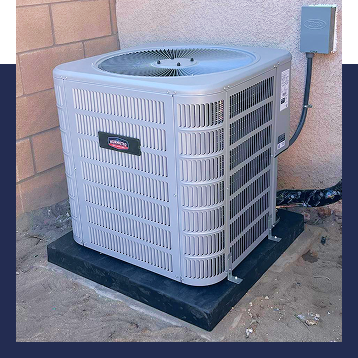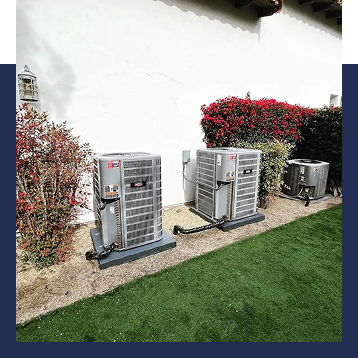
Hermetic Heating & Air is a trusted, respected longtime provider of residential and commercial HVAC services. This includes heat pump installation and replacement in the Coachella Valley and surrounding areas. Heat pumps provide a list of benefits even in desert climates. Knowledgeable, careful installation, maintenance and replacement are critical. That’s where our seasoned, experienced team steps in, putting our decades of HVAC expertise at your disposal.
For free estimates or second opinions on heat pump services in the Coachella Valley, contact our team at Hermetic Heating & Air today.
Why Choose Hermetic Heating & Air?
We’re a full-service HVAC company providing competitive residential and commercial services. Our array of services ranges from system design to installation, ongoing maintenance and replacement. We also feature advanced IAQ solutions.
- Licensed, well-trained technicians
- Comprehensive solutions for HVAC needs
- Residential and commercial HVAC
- Heat pump installation, maintenance, and replacement
- Outstanding customer service
- Financing options on approved credit
- Industry-leading warranties
- Maintenance plan with discounted services
- Energy-saving focus
- Extensive local experience
- 24/7 emergency service