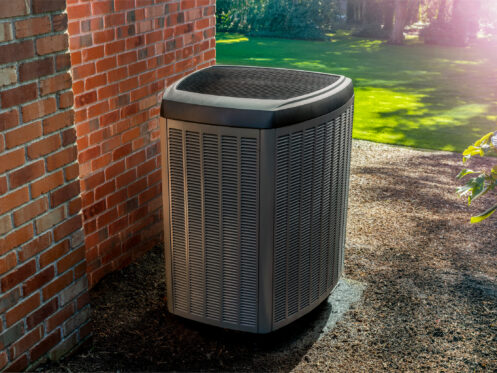
When your air conditioner starts acting up, you probably wonder if you should repair it or replace it. The answer depends on more than just the current problem. You need to consider the system’s age and repair costs. In some cases, a quick repair can restore comfort and extend your system’s lifespan. In others, continuing to repair an aging or failing unit can cost more in the long run than investing in a replacement.
How to Think About the Repair vs. Replace Decision
You can focus only on the immediate cost of a repair, but that approach can lead to repeated expenses over time. A better way to think about the decision is to look at total cost and long-term value. You should consider how often the system has needed repairs. Other considerations include how efficiently it runs and whether it currently meets your needs.
A newer system with a minor issue will benefit from repairs. An older unit that requires multiple service calls each year may no longer perform reliably. Looking at the bigger picture helps you avoid short-term decisions that lead to frustration. You should also think about how your system fits your current lifestyle. For instance, if you have recently remodeled your attic or basement, your cooling needs may have changed. This can make replacement a more practical option even if the current issue seems manageable.
When AC Repairs Make the Most Sense
Not every air conditioning problem requires a full system replacement. In many cases, repairs offer a cost-effective way to restore performance. Identify whether this is an isolated issue and whether the rest of the system is in good condition. Minor electrical issues often fall into this category. A faulty capacitor, contactor, or thermostat can prevent your system from running properly, but replacing these components is a low-cost solution. These repairs tend to cost far less than a replacement.
Refrigerant leaks can also be repairable, depending on the severity. If the leak is small and located in an accessible area, we can fix the issue and recharge the system. This makes sense for newer units that still have years of life left. Fan motor problems and clogged drain lines will also fall into this repair category. These issues affect performance, but they don’t indicate that your entire system has an issue. Addressing minor repairs promptly can prevent further damage and keep your system running efficiently.
When Replacement Becomes the Better Option
Some AC issues signal that replacement offers better long-term value. One of the most important examples is a failed compressor. The compressor acts as the heart of your system, and replacing it can be expensive. In some cases, the cost of a new compressor approaches the price of a new system.
If your AC is older, investing in a major repair like this often does not make financial sense. You may spend a significant amount on the repair only to face additional issues in the near future. Replacing the system provides a more reliable solution and avoids repeated expenses. Frequent breakdowns also point toward replacement. If your system has required multiple repairs over the past two to five years, those costs can add up quickly. Even if each repair seems manageable on its own, the total expense can exceed the cost of a new unit.
Inefficiency represents another important consideration. Older systems tend to consume more energy than modern options, leading to higher utility bills. Replacing an inefficient system will help to reduce operating costs. When repairs become frequent or the system performance declines, replacement becomes the better solution.
The Role of System Age
Age is also important in the repair versus replace decision. In general, most air conditioning systems last 10 to 15 years. As systems approach this range, they become more prone to failure and less efficient. If your AC is less than 10 years old, a repair usually makes sense unless the issue is severe. At this stage, the system still has useful life remaining, and fixing a single problem can extend that lifespan.
Once your system reaches 12 to 15 years, replacement becomes more attractive. Even if the current issue is minor, the risk of future problems still increases. Investing in a new system when this happens can provide better reliability and efficiency. Older systems also use outdated technology, which can limit performance. Replacing an older unit allows you to take advantage of modern features and improve energy efficiency.
Evaluating Repair Costs Over Time
Looking at your repair history can provide valuable insight into the best course of action. If you have spent a significant amount on repairs over the past few years, continuing to fix the system may not make sense. A common guideline is to compare repair costs to the system’s value. If a single repair approaches half the cost of a new unit, replacement often becomes the better option. This is especially true for major components such as compressors or coils.
You should also consider how often repairs are necessary. A system that breaks down once may not raise concern, but repeated failures suggest it is wearing out. In these cases, new installation can save money and reduce stress. Tracking your repair expenses will help you make more informed decisions based on costs rather than guessing.
Energy Efficiency and Long-Term Savings
Energy efficiency is something that you need to consider as well. Modern units use advanced technology to deliver better cooling while consuming less energy. This can lead to major savings on your utility bills. Older systems tend to lose efficiency, especially as components wear down. Even after repairs, they may continue to use more energy than necessary. This ongoing cost can add up over time.
Replacing your system can improve efficiency and reduce monthly expenses. While the upfront cost of a replacement will be higher, the long-term savings you receive will help offset the investment. Improved efficiency also contributes to better comfort. A new system can provide more consistent cooling and better humidity control.
Comfort and Reliability
Beyond cost, comfort and reliability should influence your decision. A system that struggles or frequently breaks down will disrupt your daily routine. Repairs restore your system’s performance, but they are often temporary and do not address underlying issues in an aging system.
Modern systems offer variable-speed technology and improved airflow control for better performance. These features will enhance comfort and create a more stable indoor environment. Choosing replacement when it makes sense will offer you peace of mind and reduce the chance of unexpected problems.
Making the Right Decision for Your Home
At Hermetic Heating & Air, we have been serving the residents of Coachella Valley, CA and the surrounding areas for decades. We can help if you are struggling with whether AC repair or replacement is the most cost-effective solution. We’ll thoroughly inspect your system and provide a free, no-obligation quote if you decide to upgrade.
Contact us today to schedule an appointment with one of our experienced technicians.